
The Season of Loss and Gain
The mania of beekeeping is upon us, as we account for our losses and prepare for the swarm surge. It is a time for introspection.
At a recent conference, an organizer asked how my bees were doing. I replied “I’m in trouble, too many bees survived” — but they only heard the first part. They assumed I had a big loss, that is usually why a beekeeper is in trouble in the spring. However, we can also end up with more bees than we know what to do with.
M.C. asks: Today I opened one of my hives for the first time this season. Despite the busy entrance they had no eggs or brood. I have never lost a hive but I clearly lost my queen! Do I say I lost one hive or does it not count until I lose the whole hive? I know I will lose a hive one day but I am proud of my record.
Jake: The bums! I wouldn’t consider a colony “lost” until it is 100% dead or is being actively culled/destroyed. I also don’t consider it my fault unless there was some apparent shortcoming in my management, and that is within the context of my management approach.
I actually think 100% survival is a misguided goal, and some amount of colony churn is a natural part of keeping good stocks, so to me losing 5–10% over winter isn’t a bad thing per se, or even higher if I am really pushing my breeding.
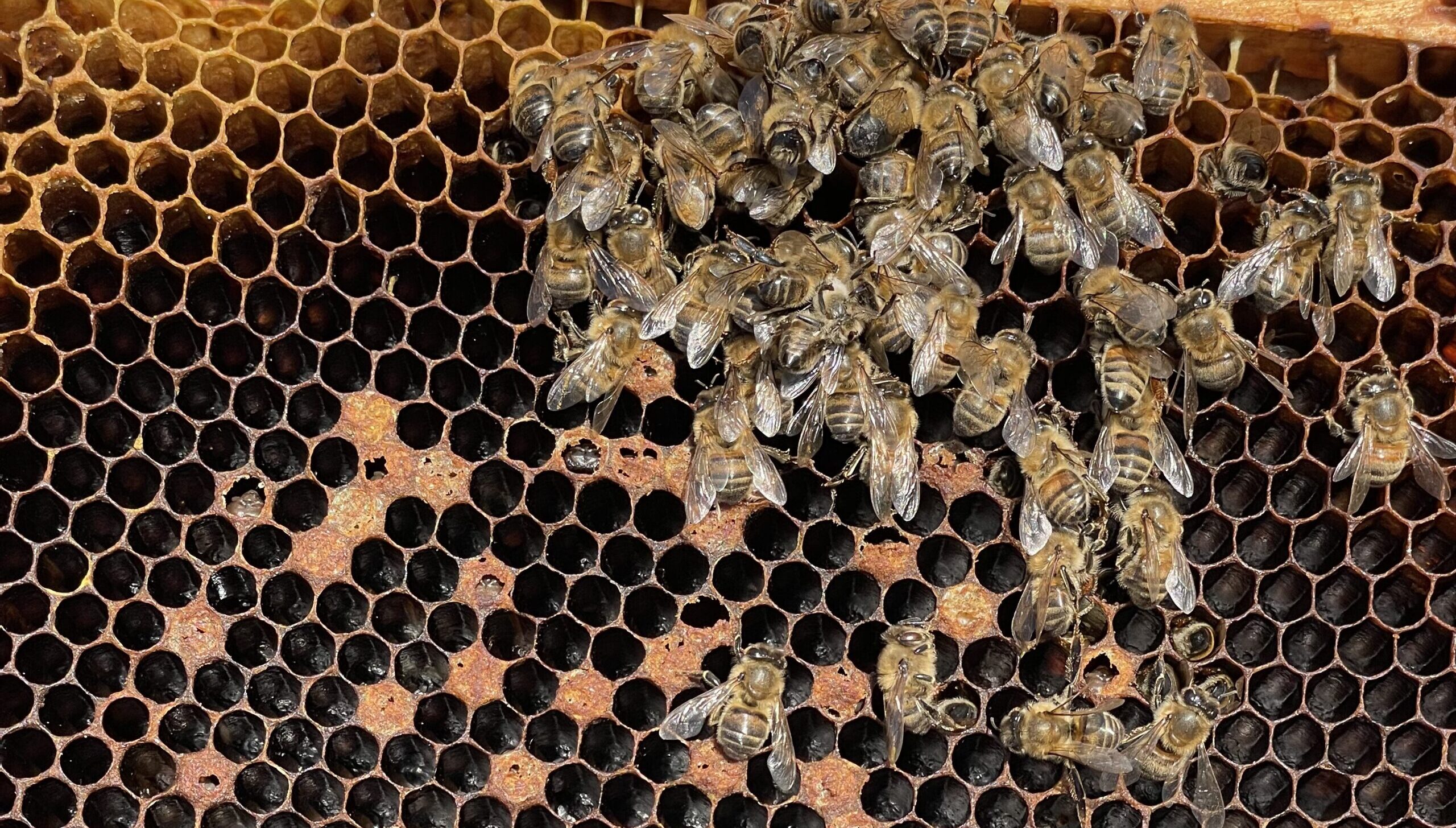
Some loss is inevitable. This year one yard had a real sinister strain of DWV-B show up, spiking my losses. I remember one year with chronic paralysis: it didn’t matter how good a beekeeper you were, half your colonies died between March and April. It happens.
Queen failure, in particular, is rarely blamable on a beekeeper. We all keep queens around, for good reason, that on paper we should replace. Some amount of spontaneous queen failure occurs too, part of the vexing nature of beekeeping. Also: blame the bees wherever practical!
Suburban Burt asks: I’m going to try some double-screens and quilt boxes this winter. I lost a bunch of hives (75%), and got to try something because what I’m doing sure as heck ain’t working.
Jake: The bums! I understand the wish to try out some new ideas, but I think you really need a checklist/calendar to help you stay on target. Survival is mostly dependent on colony strength (feeding if needed) and mite and disease control.
Suburban yards can be difficult. They have GREAT honey flows in the spring, but often have no flows after white clover, needing significant feeding to keep them suitably strong going into the fall.
You also need real robust mite control. Suburban areas just have more beginners and packages and problems than you think, and those problems spill into your yard. That is a two-sided challenge, because both the diseases vectored and the mite control products used can cause population loss. You mix that with any shortcomings in feeding and you’ve got some weak colonies.
This was also a real bad winter for weak colonies. I reliably winter a few that have poor odds — nucs that had queen problems or are otherwise healthy, etc. I have been rewarded often enough that I don’t cull as heavily as some do, which can inflate my “winter” losses. Some years 75% or more of those weak colonies survive; this year closer to 40%.
As recommended before, do necropsies after a colony loss. It can greatly inform you where your problems are and what to fix going into the new beekeeping year.
E.V. asks: I have a couple people already wanting to buy nucs, so I wanted to be sure I’m following good practices. I assume I sell a nuc with the newly laying queen and not the old queen?
Jake: It can be whatever you want, as long as it is disclosed to the buyer. There are competing opinions on whether a new spring queen or a good overwintered queen is best. I’ve retailed both, though I primarily do overwintered at this point. It should be a one-year queen at max though. Most of my queens get turned over in May, after the big spring build, so they have plenty of life left come next year.
E.V.: Is it “better” to wait for swarm cells to appear before I split, instead of emergency cells with a walk away?
Jake: I think there are two primary causes of bad emergency cells, and both are easy enough to avoid: old wax and calorie deficit. Old wax hinders worker cell conversion — they need younger comb (say, three years or less) or the comb modified like the “on the spot” method of cell raking. The calorie deficit happens when people move walk-aways and the queenless box is now also forager-less: leave the queenless hive in the old spot, where it keeps foragers.
E.V.: I’m looking to prevent swarms and increase honey production. I watched your video on swarm control. My time is limited more this year. Is doing the normal swarm prevention without doing Demaree, double screen, or double queen best for me?
Jake: You ultimately need to remove bees from the brood box to prevent swarming. IMHO, splits (nucs) and multiqueens are easiest. If you want honey and not colonies, multiqueens.
Multiqueen hives are vertical splits, where brood boxes are isolated from each other using an empty super and a queen excluder, with additional honey supers going above. Both brood boxes need entrances. The simplest approach would be moving queenie into the top brood box, leaving either swarm cells or material for emergency cells below.
I’ll make a proper multiqueen video this summer.
Good luck and happy beeking!
Photo caption: Demon varroa’s DWV-B. Shortened, spade-shaped abdomens are a classic DWV-B symptom. A small dead cluster and shredded caps are common findings. (Jake Barker)